April 20, 2026

investing

Bitcoin etf how to buy opens the door to understanding a new way of investing in the cryptocurrency space, allowing investors to gain exposure to Bitcoin without the complexities of direct ownership. As Bitcoin continues to capture global attention, Bitcoin ETFs offer a regulated and potentially less risky avenue for participating in this volatile market.

In this guide, we will explore what Bitcoin ETFs are, how they work, and the steps you need to take to invest in them. From understanding the advantages of ETFs over direct Bitcoin purchases to navigating the buying process and considering key factors before investing, we’ve got you covered.

Understanding Bitcoin ETFs

Investing in Bitcoin has gained immense popularity, and one of the emerging options for investors is the Bitcoin Exchange-Traded Fund (ETF). A Bitcoin ETF allows investors to gain exposure to Bitcoin without the need to own the digital currency directly. This section breaks down what a Bitcoin ETF is, its benefits, and the different types available.

What is a Bitcoin ETF?

A Bitcoin ETF is a financial product that tracks the price of Bitcoin and is traded on traditional stock exchanges. Its primary purpose is to provide a way for investors to speculate on the price of Bitcoin without the complexities of buying, storing, and securing the actual cryptocurrency. Bitcoin ETFs generally invest directly in Bitcoin or Bitcoin futures, depending on their structure.

Advantages of Investing in a Bitcoin ETF

Investing in a Bitcoin ETF presents several advantages over direct Bitcoin purchases:

  • Ease of Access: Bitcoin ETFs can be bought and sold just like stocks through a brokerage account.
  • Regulatory Oversight: ETFs are regulated by financial authorities, providing a level of investor protection.
  • No Need for Digital Wallets: Investors do not have to worry about securing cryptocurrencies in digital wallets.
  • Tax Efficiency: ETFs might offer more favorable tax treatment compared to holding Bitcoin directly.

Main Types of Bitcoin ETFs

There are primarily two types of Bitcoin ETFs available in the market:

  • Physical Bitcoin ETFs: These funds invest directly in Bitcoin, holding the cryptocurrency on behalf of investors.
  • Futures-based Bitcoin ETFs: These funds invest in Bitcoin futures contracts rather than the cryptocurrency itself.

Steps to Buy a Bitcoin ETF

Buying a Bitcoin ETF involves several steps that ensure a smooth investment process. This section Artikels the essential steps and requirements for purchasing a Bitcoin ETF.

Essential Steps to Buy a Bitcoin ETF

To buy a Bitcoin ETF, follow these steps:

  1. Choose a Brokerage: Select a reputable brokerage that offers Bitcoin ETFs.
  2. Set Up an Account: Create and verify your brokerage account.
  3. Deposit Funds: Add money to your account to prepare for your purchase.
  4. Locate the ETF: Find the Bitcoin ETF you wish to invest in using its ticker symbol.
  5. Place Your Order: Execute your buy order for the chosen Bitcoin ETF.

Setting Up a Brokerage Account

To purchase Bitcoin ETFs, setting up a brokerage account is essential. Here’s how to do it:

  • Visit the brokerage’s website and click on “Sign Up” or “Open Account.”
  • Provide your personal information, including name, address, and Social Security number.
  • Complete the identity verification, which may involve submitting identification documents.
  • Agree to the terms and conditions and fund your account.

Checklist of Documents Required

When setting up your brokerage account, you will typically need the following documents:

  • Government-issued ID (e.g., passport or driver’s license)
  • Proof of address (e.g., utility bill or bank statement)
  • Social Security number or Tax Identification Number

Key Considerations When Buying

Before diving into Bitcoin ETFs, several factors should be considered to make informed investment decisions. This section covers important aspects to evaluate prior to investing.

Factors to Consider Before Investing

Investors should analyze the following factors:

  • Expense Ratios: Look at the fees associated with the ETF, as high costs can impact returns.
  • Liquidity: Consider the trading volume of the ETF to ensure you can buy and sell easily.
  • Performance History: Review past performance, keeping in mind that past performance is not indicative of future results.

Potential Risks Associated with Bitcoin ETFs

Investing in Bitcoin ETFs does come with risks:

  • Market Volatility: Bitcoin’s price can be extremely volatile, impacting ETF values.
  • Regulatory Changes: Changes in regulations may affect the operation of Bitcoin ETFs.
  • Tracking Error: The ETF may not perfectly track Bitcoin’s price due to various factors.

Evaluating Different Bitcoin ETFs

Before making a purchase, assess various Bitcoin ETFs by considering:

  • Management Team: Research the fund manager’s experience and track record.
  • Fund Size: Larger funds may have more stability and investor trust.
  • Investment Strategy: Understand how the ETF plans to achieve its investment objectives.

Comparing Bitcoin ETFs with Other Investment Vehicles

While Bitcoin ETFs offer unique advantages, they should also be compared to other investment vehicles to understand their position in the market. This section highlights key differences and similarities.

Comparison with Mutual Funds and Traditional ETFs

Bitcoin ETFs differ from mutual funds and traditional ETFs in several ways:

  • Liquidity: Bitcoin ETFs generally trade on an exchange like stocks, offering real-time liquidity, unlike mutual funds.
  • Fees: Bitcoin ETFs may have different fee structures compared to traditional ETFs, often influenced by their underlying assets.
  • Tax Treatment: The tax implications for Bitcoin ETFs can differ from those of mutual funds and traditional ETFs, particularly in handling capital gains.

Differences in Liquidity, Fees, and Tax Implications

When exploring liquidity, fees, and tax implications:

  • Bitcoin ETFs often provide better liquidity compared to mutual funds, which are traded at the end of the day.
  • Examine expense ratios and management fees as they can impact overall returns.
  • Tax treatment varies significantly, with Bitcoin being taxed as property, affecting how gains are reported.

Other Cryptocurrency ETFs

Several other cryptocurrency ETFs exist in the market, providing exposure to diverse digital assets. Examples include:

  • Ethereum ETFs: These funds track the price of Ethereum, offering another avenue for cryptocurrency investment.
  • Multi-Crypto ETFs: Funds that invest in a basket of cryptocurrencies, providing broader exposure.

Regulatory Environment for Bitcoin ETFs

The regulatory landscape for Bitcoin ETFs is crucial for understanding their operational framework and investor protection. This section Artikels the rules governing Bitcoin ETFs worldwide.

Regulatory Frameworks Governing Bitcoin ETFs

Different countries have varying regulatory approaches to Bitcoin ETFs:

  • In the United States, the SEC closely monitors Bitcoin ETFs, focusing on investor protection and market stability.
  • Other countries may have more lenient regulations or established frameworks supporting cryptocurrency investments.

Approval Process for Bitcoin ETFs

The approval process for Bitcoin ETFs typically involves:

  • Submission of detailed proposals to regulatory authorities, outlining the ETF’s structure and investment strategy.
  • Review and potential revisions based on feedback from the regulator to ensure compliance.

Recent Regulatory Changes Impacting Bitcoin ETFs

Regulatory changes can significantly affect the Bitcoin ETF landscape. Notable updates include:

  • Increased scrutiny from regulatory bodies on the transparency and security of Bitcoin ETFs.
  • Proposals for clearer guidelines regarding the management of cryptocurrency funds.

Strategies for Investing in Bitcoin ETFs

Crafting a solid investment strategy is essential for anyone looking to invest in Bitcoin ETFs. This section discusses both beginner and advanced strategies.

Investment Strategy for Beginners

For beginners, a simple strategy might include:

  • Start with a small investment to gauge comfort with the Bitcoin market.
  • Diversify investments by allocating a portion to Bitcoin ETFs while maintaining traditional assets.
  • Regularly review and adjust the investment based on market conditions.

Advanced Investment Strategies for Seasoned Investors

Experienced investors might consider:

  • Utilizing options or futures to hedge against market volatility in Bitcoin ETFs.
  • Implementing a dollar-cost averaging strategy to mitigate the impact of price fluctuations.
  • Analyzing market trends and indicators to time entry and exit points effectively.

Diversifying a Portfolio with Bitcoin ETFs

To diversify with Bitcoin ETFs, consider:

  • Including various ETF types, such as those focused on Bitcoin and other cryptocurrencies.
  • Balancing exposure between growth-oriented assets and stable investments.

Future Trends in Bitcoin ETFs

The Bitcoin ETF market continues to evolve, with trends indicating where it might head in the future. This section identifies emerging trends and potential impacts.

Emerging Trends in the Bitcoin ETF Market

Trends to watch for include:

  • Increased institutional interest, with more financial institutions entering the Bitcoin ETF space.
  • Innovative ETF structures that may offer unique exposure to Bitcoin and other digital assets.

Potential Impact of Institutional Investment

Institutional investment may lead to:

  • Greater market stability as large investments can provide significant liquidity.
  • Increased legitimacy and acceptance of Bitcoin as a viable asset class.

Predictions for Future Performance of Bitcoin ETFs

Market analysts predict:

  • Potential growth in Bitcoin ETF popularity, driven by broader acceptance of cryptocurrencies.
  • Performance may be influenced by regulatory developments, overall market sentiment, and technological advancements.

Epilogue

In conclusion, Bitcoin ETFs present an exciting investment opportunity for both new and seasoned investors looking to diversify their portfolios. By comprehensively understanding how to buy, the risks involved, and the market landscape, you’ll be better equipped to make informed decisions in this evolving financial frontier. Embrace the potential of Bitcoin ETFs and embark on your investment journey with confidence.

Commonly Asked Questions

What is a Bitcoin ETF?

A Bitcoin ETF is an exchange-traded fund that tracks the price of Bitcoin, allowing investors to buy shares without directly owning the cryptocurrency.

How do I buy a Bitcoin ETF?

To buy a Bitcoin ETF, you need to set up a brokerage account, fund it, and then place an order for the ETF shares through your broker’s trading platform.

Are there risks involved with Bitcoin ETFs?

Yes, risks include market volatility, regulatory changes, and potential management fees associated with the ETF.

Can I hold Bitcoin ETFs in my retirement account?

Yes, many brokers allow you to hold Bitcoin ETFs in tax-advantaged accounts like IRAs or 401(k)s.

How do Bitcoin ETFs differ from direct Bitcoin investment?

Bitcoin ETFs offer a more regulated investment vehicle with easier access and potential tax advantages, while direct investment involves owning and securing the cryptocurrency directly.
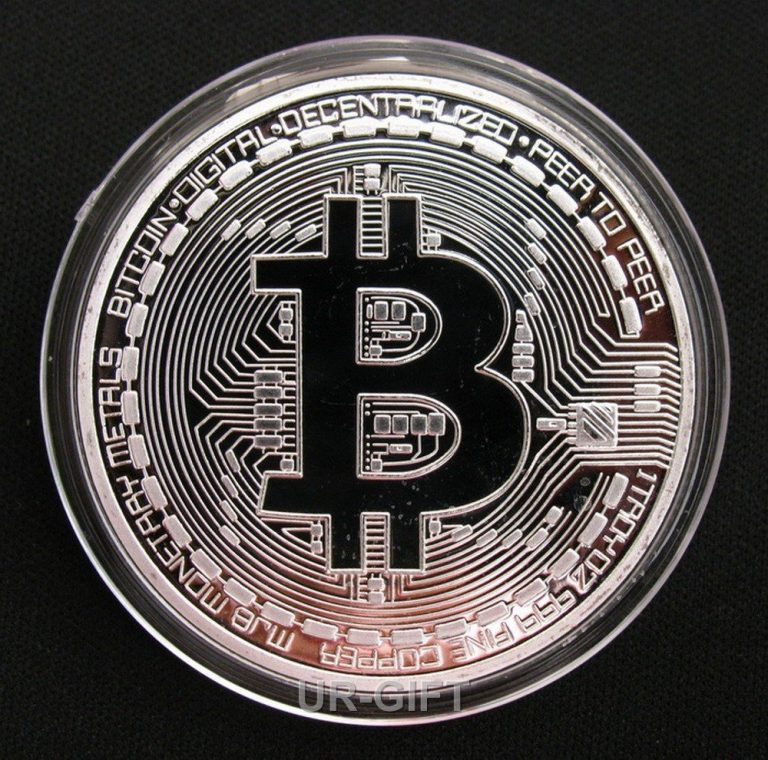
The bitcoin rally meaning refers to a surge in Bitcoin’s price, capturing the attention of investors and analysts alike. These rallies often signify more than just an increase in value; they reflect the evolving landscape of the cryptocurrency market, influenced by various economic, technological, and social factors. Understanding what triggers these rallies and their consequences can provide valuable insights for both seasoned investors and newcomers.

As we delve into the nuances of bitcoin rallies, we will explore the conditions that lead to such price movements, historical examples that shaped the market, and the underlying forces that influence investor behavior. This knowledge can empower individuals to make informed decisions in a rapidly changing financial ecosystem.

Understanding Bitcoin Rally

The term “bitcoin rally” refers to a significant and sustained increase in the price of Bitcoin, often driven by various economic, technological, and market dynamics. In the cryptocurrency market, a bitcoin rally holds considerable significance as it can affect the overall sentiment of investors and traders, often leading to a surge in trading volume and market capitalization. A bitcoin rally can create a momentum that pulls other cryptocurrencies along with it, making it a critical event for the entire crypto ecosystem.Common conditions that lead to a bitcoin rally include positive regulatory news, increased adoption by mainstream financial institutions, and heightened demand among retail investors.

Historical examples of bitcoin rallies, such as the surge in late 2017 when Bitcoin reached nearly $20,000, illustrate how these price movements can have profound impacts not only on Bitcoin itself but also on the broader cryptocurrency market, as many altcoins experienced significant price increases during this period.

Factors Influencing Bitcoin Rally

Several economic indicators can trigger a bitcoin rally, such as inflation rates, currency devaluation, and global economic uncertainty. These factors often lead investors to seek alternative assets like Bitcoin, viewing it as a hedge against traditional financial instability. Additionally, market sentiment plays a pivotal role; when bullish sentiment prevails, more investors are likely to enter the market, driving prices up.External factors including regulatory changes and technological advancements can also influence bitcoin prices.

For instance, announcements regarding the approval of Bitcoin ETFs or significant breakthroughs in blockchain technology can cause spikes in Bitcoin’s value.

Analysis of Past Bitcoin Rallies

In the last decade, there have been several notable bitcoin rallies. The most prominent include the rally of late 2013, where Bitcoin surged from around $100 to over $1,000, and the 2017 rally, which saw Bitcoin reaching its all-time high near $20,000. Each rally exhibited unique characteristics, such as differing durations and market conditions. To provide clarity, here’s a timeline of significant price movements during major rallies:

  • 2013: Bitcoin rises from $100 to $1,000 in just a few months.
  • 2017: Bitcoin peaks at nearly $20,000 before correcting sharply.
  • 2020: The price climbs from around $7,000 to $40,000 amid global economic uncertainty.

Impact of Bitcoin Rally on the Market

A bitcoin rally significantly influences other cryptocurrencies and the broader financial market. As Bitcoin’s price rises, it often pulls altcoin prices up as well, leading to a correlation in performance. The following table illustrates the relationships between bitcoin rallies and altcoin performance during notable price increases:

Bitcoin Rally Period Altcoin Performance
Late 2017 Majority of altcoins saw price increases ranging from 200% to over 1,000%.
2020 Altcoins generally rose, with Ethereum and Litecoin experiencing substantial gains.

Mining operations and blockchain technology are also impacted during a bitcoin rally. Increased prices can lead to higher mining profitability, enticing more miners to participate, while also driving innovation within the blockchain space.

Predicting Future Bitcoin Rallies

Predicting potential bitcoin rallies involves utilizing various methods and tools, including technical analysis and market trend indicators. Investors often look for chart patterns such as bullish flags or cup-and-handle formations that signal upward price momentum.An effective strategy for investors to prepare for future bitcoin rallies includes diversifying their portfolio, staying updated on market news, and utilizing stop-loss orders to manage risks effectively.

Keeping an eye on macroeconomic trends can also provide insights into potential market movements.

Risks Associated with Bitcoin Rally

Investing during a bitcoin rally comes with inherent risks and volatility. Rapid price increases can lead to significant corrections, leaving inexperienced investors vulnerable to losses. For example, during the 2018 correction following the 2017 rally, many investors faced substantial downturns, with Bitcoin’s price falling over 80% from its peak.

“Investors should exercise caution and conduct thorough research before participating in a market that can be as unpredictable as cryptocurrency.”

Bitcoin Rally and Media Influence

Media coverage plays a crucial role in shaping public perception and participation during a bitcoin rally. Positive news headlines can lead to increased interest and investment, while sensationalist reporting can create fear or FOMO (fear of missing out) among potential buyers. Examples of impactful news headlines include announcements of major corporations accepting Bitcoin or the endorsement of Bitcoin by high-profile investors, which often precede significant price increases.

Additionally, social media platforms amplify trends and discussions around bitcoin rallies, further influencing investor behavior and market dynamics.

Last Point

In conclusion, the significance of bitcoin rally meaning extends beyond mere price fluctuations. As we have seen, these rallies can affect not only Bitcoin itself but also the broader cryptocurrency market and various economic indicators. By understanding the dynamics at play, investors can navigate the complexities of the market more effectively and prepare for future opportunities while being aware of the risks involved.

Key Questions Answered

What causes a bitcoin rally?

A bitcoin rally is typically caused by a combination of factors including positive market sentiment, economic indicators, and technological advancements that boost investor confidence.

How can I predict a bitcoin rally?

Predicting a bitcoin rally involves using technical analysis tools, observing market trends, and considering external factors like regulations and media coverage.

What is the risk of investing during a bitcoin rally?

Investing during a bitcoin rally carries risks such as high volatility, potential price corrections, and the possibility of investor losses if the rally loses momentum.

How do bitcoin rallies affect altcoins?

Bitcoin rallies often lead to increased interest and investment in altcoins, as traders look for opportunities to capitalize on the overall bullish sentiment in the market.

What role does media play in bitcoin rallies?

Media coverage can significantly influence public perception and investor behavior, often accelerating price increases during a bitcoin rally through heightened awareness and interest.

Bitcoin and other cryptocurrencies often get lumped together, but are they truly the same? This exploration dives deep into the similarities and differences, examining core functionalities and underlying technologies. We’ll uncover shared characteristics, analyze unique aspects, and ultimately, determine if Bitcoin stands alone or is just another cryptocurrency in the digital ecosystem.

From decentralized structures to blockchain technology, we’ll break down the fundamental elements that define these digital assets. Understanding the nuances is crucial for anyone navigating this rapidly evolving market. The comparison will be comprehensive, highlighting both shared traits and unique characteristics.

Bitcoin and Cryptocurrency Similarity

Bitcoin, while pioneering the cryptocurrency space, isn’t alone. A multitude of cryptocurrencies share fundamental similarities, stemming from the core principles of decentralization, cryptographic security, and blockchain technology. These shared traits form the bedrock of the entire cryptocurrency ecosystem.Cryptocurrencies, including Bitcoin, are fundamentally digital assets secured by cryptography. This digital nature, combined with decentralized control, offers a unique alternative to traditional financial systems.

The underlying technologies, while varying in nuance, share common roots and functionalities.

Core Functionalities and Underlying Technologies

Bitcoin and other cryptocurrencies operate on the principle of decentralized digital ledgers known as blockchains. This decentralized nature eliminates the need for intermediaries, like banks, and allows for secure, transparent transactions. Transactions are verified and recorded on the blockchain, forming a permanent, auditable record. The cryptographic security ensures the integrity and immutability of these transactions.

Shared Characteristics

Cryptocurrencies share several common characteristics. Decentralization, the absence of a central authority, is paramount. Blockchain technology forms the backbone, enabling secure and transparent record-keeping. The digital nature of these assets differentiates them from traditional currencies, facilitating peer-to-peer transactions and global reach.

Comparison of Bitcoin and Other Cryptocurrencies

The table below highlights key similarities and differences between Bitcoin and three prominent cryptocurrencies: Ethereum, Litecoin, and Ripple.

Feature Bitcoin Ethereum Litecoin Ripple
Consensus Mechanism Proof-of-Work (PoW) Proof-of-Stake (PoS) Proof-of-Work (PoW) Ripple Consensus
Use Cases Digital currency, peer-to-peer payments, store of value Smart contracts, decentralized applications (dApps), tokenization Alternative digital currency, peer-to-peer payments Cross-border payments, remittance services
Market Capitalization (Approximate) Variable (refer to current market data) Variable (refer to current market data) Variable (refer to current market data) Variable (refer to current market data)
Transaction Speed Relatively slower Variable Faster than Bitcoin Very fast
Transaction Fees Variable (depending on network congestion) Variable (depending on network congestion) Generally lower than Bitcoin Generally low

Note: Market capitalization figures are subject to change and should be verified from current market data. Consensus mechanisms, use cases, and other characteristics can vary significantly between different cryptocurrencies.

Bitcoin and Cryptocurrency Differences

Bitcoin, while pioneering the cryptocurrency landscape, isn’t the only player. Numerous other cryptocurrencies have emerged, each with its own unique features and functionalities. Understanding these distinctions is crucial for evaluating investment opportunities and appreciating the diverse nature of this burgeoning market.While sharing the fundamental concept of decentralized digital currencies, Bitcoin and other cryptocurrencies diverge significantly in their design and implementation.

These differences manifest in various aspects, including transaction speeds, scalability, security, and intended use cases. This exploration delves into these key distinctions.

Technical Specifications

The core architectural differences between Bitcoin and other cryptocurrencies stem from variations in their underlying technology. These differences affect transaction speeds, scalability, and security. Understanding these differences is crucial for investors and developers.

  • Proof-of-Work (PoW) vs. Proof-of-Stake (PoS): Bitcoin employs Proof-of-Work, a consensus mechanism requiring significant computational power to validate transactions. Many alternative cryptocurrencies utilize Proof-of-Stake, which requires staking a certain amount of cryptocurrency to participate in validating transactions. This often leads to faster transaction speeds and lower energy consumption compared to PoW.
  • Transaction Speed and Scalability: Bitcoin’s transaction speed is relatively slow compared to some newer cryptocurrencies. Its block size limits the number of transactions processed per block, causing potential congestion during peak periods. Several cryptocurrencies have been designed to address this issue through different scaling solutions, aiming for faster and more efficient transaction processing.
  • Security Mechanisms: While Bitcoin’s security is robust, the security mechanisms employed in other cryptocurrencies can vary. Some may leverage different consensus algorithms, resulting in different levels of security. Furthermore, the security of a cryptocurrency is dependent on factors beyond its underlying technology, including the security of its network infrastructure and the practices of its users.

Functionality and Use Cases

Beyond the technical specifications, the intended use cases and functionalities also set Bitcoin apart from other cryptocurrencies.

  • Focus on Decentralization: Bitcoin’s core philosophy prioritizes decentralization, aiming to eliminate intermediaries in financial transactions. Other cryptocurrencies may have different goals, such as providing specific financial services, enabling smart contracts, or facilitating decentralized applications (dApps).
  • Tokenization and Utility: Many cryptocurrencies beyond Bitcoin are designed to be tokens representing various assets or services. They can be used to pay for goods and services or participate in decentralized applications. Bitcoin, while serving as a store of value, is primarily focused on digital money rather than specific utility functions.
  • Smart Contracts and Decentralized Applications: Some cryptocurrencies are designed to support smart contracts and decentralized applications (dApps). These applications offer various possibilities for automated processes, decentralized finance (DeFi), and other innovative solutions. Bitcoin’s design is more focused on a peer-to-peer electronic cash system rather than on these specific functionalities.

Comparison Table

The following table highlights the key differences between Bitcoin and three other prominent cryptocurrencies.

Feature Bitcoin Ethereum Litecoin Solana
Consensus Mechanism Proof-of-Work Proof-of-Work (originally), Proof-of-Stake (now) Proof-of-Work Proof-of-Stake
Transaction Speed Relatively slow Faster than Bitcoin Faster than Bitcoin Very fast
Scalability Limited Improved with scaling solutions Improved with scaling solutions Highly scalable
Security Robust Robust Robust Robust
Primary Use Case Digital currency Smart contracts, dApps Alternative digital currency High-performance blockchain

Bitcoin as a Standalone Cryptocurrency

Bitcoin stands apart from other cryptocurrencies due to its foundational role in the digital asset landscape. Its pioneering nature and unique features have shaped the evolution of the entire cryptocurrency market. While many other cryptocurrencies have emerged, Bitcoin remains a benchmark for its innovative approach to decentralized finance.Bitcoin’s early adoption and persistent value have cemented its position as a distinct asset class.

Its historical significance is rooted in its establishment of blockchain technology and its subsequent influence on the broader crypto ecosystem. This separation stems not just from its first-mover advantage but also from its core characteristics that differentiate it from the more numerous subsequent entries.

Distinguishing Features of Bitcoin

Bitcoin’s distinctive features contribute to its unique status within the cryptocurrency world. These characteristics include its limited supply, robust mining mechanism, and emphasis on decentralization. These aspects have fostered its recognition as a store of value and a medium of exchange.

Bitcoin’s Pioneering Role

Bitcoin’s pioneering role in the cryptocurrency market is undeniable. Its implementation of blockchain technology served as a blueprint for subsequent cryptocurrencies. The network effect and community support surrounding Bitcoin have significantly impacted the development and adoption of other digital assets. This impact extends beyond technological advancements to encompass the broader financial landscape.

Arguments for Bitcoin’s Distinctness

Bitcoin’s unique characteristics set it apart from other cryptocurrencies. Its early adoption, emphasis on decentralization, and robust community backing are factors contributing to its distinct status.

  • Limited Supply: Bitcoin’s fixed supply of 21 million coins distinguishes it from other cryptocurrencies with potentially unlimited or fluctuating supplies. This limited supply creates a perceived scarcity, which can influence its value and appeal as a store of value.
  • Decentralized Nature: Bitcoin’s decentralized architecture, controlled by no single entity, has been a cornerstone of its appeal. This decentralized structure, while a key element of its appeal, is also a complex issue that has had its share of controversies and challenges.
  • Proven Track Record: Bitcoin’s longevity and continued trading activity demonstrate a robust community and an enduring value proposition. Its resilience through various market cycles highlights its potential as a long-term investment.
  • First Mover Advantage: Bitcoin was the first cryptocurrency, pioneering the concept of decentralized digital currency. This historical significance has established it as a benchmark in the market and influenced subsequent developments in the industry.
  • Impact on Financial Landscape: Bitcoin’s influence on the financial landscape extends beyond its status as a currency. Its introduction sparked innovative applications in decentralized finance and blockchain technology.

Buy Bitcoin

Bitcoin Price Prediction 2023, 2024, 2025, 2030

Acquiring Bitcoin involves navigating a digital landscape with varying degrees of complexity and security considerations. Understanding the process, different platforms, and inherent risks is crucial for any prospective investor. This section provides a comprehensive overview of purchasing Bitcoin, encompassing various methods, platform features, and associated security concerns.

Steps Involved in Purchasing Bitcoin

The process of buying Bitcoin typically involves registration, funding an account, selecting a Bitcoin purchase method, and confirming the transaction. Different exchanges may have slight variations, but the fundamental steps remain consistent. A reputable exchange will provide clear instructions throughout the process.

Methods for Buying Bitcoin

Several methods facilitate Bitcoin purchases, each with unique characteristics and considerations. Online exchanges provide a readily available platform for trading, while peer-to-peer (P2P) platforms offer direct interactions between buyers and sellers. Each method presents advantages and disadvantages that should be carefully evaluated.

Online Exchanges

Numerous online exchanges facilitate Bitcoin purchases. These platforms typically offer a range of accounts and features catering to various user needs. Features may include advanced trading tools, educational resources, and customer support.

Peer-to-Peer Platforms

P2P platforms connect buyers and sellers directly, allowing for transactions outside the structured exchange environment. This can provide more direct control over the transaction, but also involves heightened security risks. Understanding the platform’s verification process and buyer/seller reputation is paramount.

Account Types and Features

Different accounts cater to diverse needs and investment levels. Basic accounts might offer limited trading capabilities, while premium accounts may include advanced features like margin trading or staking options. Understanding the account structure offered by a platform is important before making a commitment.

Security Measures and Risks

Security measures vary across platforms, ranging from two-factor authentication to advanced encryption protocols. However, the inherent risks associated with cryptocurrency investments remain. These include the potential for price volatility, security breaches, and scams. Understanding the platform’s security measures and exercising caution are critical.

Flow Chart: Buying Bitcoin from a Reputable Exchange

(A visual representation of the process would be a flow chart. However, a textual description follows.)

  • Account Creation and Verification
  • Funding the Account (e.g., bank transfer, credit/debit card)
  • Selecting the Bitcoin Purchase Method
  • Confirming the Purchase
  • Receiving the Bitcoin

Market Trends and Risks

Bitcoin’s price fluctuates significantly, influenced by factors like market sentiment, regulatory developments, and technological advancements. Understanding these market forces is crucial for managing risk. Historical data and analysis can be helpful but should not be the sole basis for investment decisions.

Examples of Bitcoin Exchanges

Numerous exchanges cater to different user needs and investment levels. Some prominent examples include Coinbase, Kraken, and Binance, each with its own set of features, fees, and security measures.

Exchange Comparison Table

Exchange Name Deposit Methods Withdrawal Methods Fees
Coinbase Bank transfer, debit/credit card Bank transfer, wire transfer Variable, typically tiered
Kraken Bank transfer, wire transfer, SEPA Bank transfer, wire transfer, SEPA Variable, typically tiered
Binance Bank transfer, credit/debit card, various cryptocurrencies Bank transfer, various cryptocurrencies Variable, typically tiered, higher for higher transaction amounts

Bitcoin and Cryptocurrency Market Overview

The Bitcoin and cryptocurrency market has experienced explosive growth and significant volatility since its inception. This dynamic environment is characterized by rapid price fluctuations, influenced by a complex interplay of factors. Understanding these dynamics is crucial for investors and stakeholders navigating this rapidly evolving landscape.The cryptocurrency market, particularly Bitcoin, is highly susceptible to rapid price swings, often exceeding those seen in traditional financial markets.

This volatility, while presenting opportunities, also necessitates careful consideration of risk tolerance and investment strategies. Regulatory frameworks and government policies play a critical role in shaping the market’s future trajectory, and historical price trends offer valuable insights into the market’s unpredictable nature.

Market Growth and Volatility

The cryptocurrency market has experienced phenomenal growth in recent years, attracting significant investor interest. This rapid expansion is mirrored by the corresponding volatility observed in the market. This volatility is a defining characteristic, with prices experiencing substantial swings in short periods. The unpredictability of this market often results in both substantial gains and considerable losses for investors.

Factors Influencing Price Fluctuations

Numerous factors contribute to the price fluctuations of Bitcoin and other cryptocurrencies. These include market sentiment, news events, regulatory changes, technological advancements, and the broader macroeconomic environment. Speculative trading and investor psychology can also influence the direction of price movements. For instance, a surge in media coverage or a significant announcement about a new cryptocurrency project can drive rapid price changes.

The influence of major institutional investors on the market is also noteworthy.

Role of Regulatory Frameworks and Government Policies

Regulatory frameworks and government policies significantly impact the cryptocurrency market. Varying approaches to regulation across different jurisdictions influence the market’s stability and adoption. Clearer regulations can foster trust and legitimacy, but inconsistent or restrictive policies can create uncertainty and discourage participation.

Historical Price Trends and Market Crashes

The history of the cryptocurrency market is replete with examples of significant price fluctuations. Notable market crashes, such as those in 2017 and 2018, have demonstrated the volatility inherent in this market. These events have highlighted the need for investors to approach the market with a cautious and informed perspective.

Market Capitalization and Price Fluctuations

Understanding the market capitalization of Bitcoin and leading cryptocurrencies, along with their price fluctuations, is vital for assessing market dynamics. These data points provide a comprehensive picture of the market’s current state and historical performance.

Cryptocurrency Market Capitalization (USD) 3-Month Price Fluctuation (%)
Bitcoin $XXX Billion +Y%
Ethereum $YYY Billion +Z%
Tether $ZZZ Billion +A%

*Note: Replace XXX, YYY, ZZZ, Y, Z, and A with actual data.*The table above provides a snapshot of the market capitalization of Bitcoin and the top three cryptocurrencies, along with their 3-month price fluctuations. This data illustrates the dynamic nature of the market and the significant variations in price movements. Investors should meticulously analyze such data points to make informed decisions.

Last Point

In conclusion, while Bitcoin shares certain similarities with other cryptocurrencies, its pioneering role and unique design elements set it apart. This exploration has highlighted the intricate relationship between Bitcoin and the broader cryptocurrency landscape. Navigating this digital realm requires a nuanced understanding of both similarities and differences, and this analysis provides a foundation for that understanding.

Clarifying Questions

What are the key differences between Bitcoin and Ethereum?

Bitcoin primarily focuses on peer-to-peer digital cash transactions, while Ethereum is a platform for decentralized applications (dApps) and smart contracts. Bitcoin’s security and transaction speed are generally higher, but Ethereum’s flexibility and versatility allow for a wider range of functionalities.

How does Bitcoin’s mining process differ from other cryptocurrencies?

Bitcoin uses a proof-of-work consensus mechanism, which involves computationally intensive tasks to validate transactions and secure the network. Other cryptocurrencies may employ different consensus mechanisms, such as proof-of-stake, offering potential advantages in energy efficiency.

What is the role of regulation in the cryptocurrency market?

Regulatory frameworks for cryptocurrencies are still developing globally. Different jurisdictions have adopted various approaches, from outright bans to limited approvals. These regulations aim to balance innovation with investor protection and market stability.

What are the security risks associated with buying Bitcoin?

Security risks include scams, phishing attacks, and exchange hacks. Users should always prioritize secure wallets and exchanges, practice vigilance, and stay informed about market trends and potential risks before investing.