April 20, 2026

blockchain

Bitcoin wallet meaning is essential for anyone delving into the world of cryptocurrency. A Bitcoin wallet serves as a digital container that stores your private and public keys, enabling you to send, receive, and manage Bitcoin effectively. With various types available, understanding how to use a wallet safely can make your cryptocurrency journey smooth and secure.

This guide will explore the definition, types, setup procedures, security measures, and common issues related to Bitcoin wallets, providing you with a comprehensive understanding that will empower your financial decisions in the digital age.

Definition of Bitcoin Wallet

A Bitcoin wallet is a digital tool that allows users to store and manage their Bitcoin. Its primary purpose is to enable the sending and receiving of Bitcoin while keeping the user’s private keys secure. Essentially, a Bitcoin wallet acts as a bridge between the user and the Bitcoin network, facilitating transactions and providing a way to track the balance of Bitcoin holdings.The basic functions of a Bitcoin wallet include sending and receiving Bitcoin, checking balances, and facilitating transactions on the blockchain.

Most wallets also provide features such as address generation for receiving Bitcoin, transaction history for tracking past transactions, and sometimes even built-in exchange services for converting Bitcoin to other currencies. When discussing Bitcoin wallets, it’s essential to understand the difference between hot wallets and cold wallets. A hot wallet is connected to the internet, making it convenient for everyday transactions.

However, this connectivity also makes it more susceptible to hacks and online threats. In contrast, a cold wallet stores Bitcoin offline, offering enhanced security against online attacks but is less convenient for quick transactions.

Types of Bitcoin Wallets

There are various types of Bitcoin wallets, each with its unique features and functionalities. The three main types include software wallets, hardware wallets, and paper wallets.

  • Software Wallets: These are applications or software programs that can be installed on a computer or smartphone. They are user-friendly and suitable for everyday transactions. However, they are vulnerable to malware and hacking if not properly secured.
  • Hardware Wallets: These are physical devices specifically designed to store Bitcoin securely. They are considered one of the safest options since they keep private keys offline. The downside is that they can be more expensive and less convenient for quick access.
  • Paper Wallets: A paper wallet is a physical printout of your Bitcoin private and public keys. They are immune to online attacks but can be easily lost or damaged, making them risky if not handled properly.
Wallet Type Pros Cons
Software Wallet Easy to use, convenient for transactions. Vulnerable to hacking and malware.
Hardware Wallet Highly secure, offline storage of private keys. More expensive, less convenient for quick access.
Paper Wallet No online threats, completely offline. Can be lost or damaged, not easily accessible.

How to Set Up a Bitcoin Wallet

Setting up a Bitcoin wallet may vary depending on the type of wallet chosen. Here’s a straightforward step-by-step guide for setting up a software wallet:

  1. Choose a reputable software wallet provider, like Exodus or Electrum.
  2. Download and install the wallet software on your device.
  3. Create a new wallet and set a strong password to protect your account.
  4. Backup your wallet by writing down the recovery phrase provided during setup.
  5. Receive Bitcoin by generating your wallet address and sharing it with others.

For obtaining a hardware wallet, the process typically involves:

  1. Research and select a trusted hardware wallet brand, such as Ledger or Trezor.
  2. Purchase the device from an official or authorized retailer to avoid counterfeit products.
  3. Follow the manufacturer’s instructions for setup, including initializing the wallet and creating a backup.

When setting up any wallet, consider the following essential security measures:

  • Use strong, unique passwords for your wallet.
  • Enable two-factor authentication if available.
  • Regularly back up your wallet and store recovery phrases securely.
  • Keep your wallet software up to date to protect against security vulnerabilities.

Security Measures for Bitcoin Wallets

Securing a Bitcoin wallet is paramount to safeguarding your assets. Best practices include regularly updating your wallet software, using strong passwords, and enabling two-factor authentication. Additionally, employing a VPN while accessing your wallet can help protect against potential threats.Backup and recovery phrases play a critical role in securing your wallet. They provide a way to restore access to your wallet in case of device loss or failure.

Always store these phrases securely, ideally in multiple physical locations.To avoid common wallet scams, stay vigilant by recognizing suspicious links and emails. Ensure you are visiting legitimate websites and avoid sharing personal information with untrusted sources. Always research wallets before using them to ensure their credibility.

Using a Bitcoin Wallet for Transactions

Transacting with a Bitcoin wallet involves sending and receiving Bitcoin through the blockchain. To send Bitcoin, a user typically needs the recipient’s wallet address, which is a unique alphanumeric string. Once entered, the user specifies the amount to send and confirms the transaction.Tracking transaction history and balance is straightforward in most wallets, where users can view a list of past transactions and their current balance.

Many wallets also provide real-time updates on the Bitcoin market, enabling users to make informed decisions.Here’s a table demonstrating typical transaction fees associated with Bitcoin transfers:

Transaction Type Typical Fee (USD)
Standard Transaction $1 – $5
Fast Transaction $5 – $10
Low Priority Transaction $0.50 – $1

Common Issues and Troubleshooting

Users often encounter several common issues with Bitcoin wallets, such as forgotten passwords, inability to send or receive Bitcoin, or temporary unavailability of wallet services. For resolving these common issues, users can follow these solutions:

  • Use the wallet’s password recovery option to regain access.
  • Ensure the recipient’s wallet address is correct when sending Bitcoin.
  • Check for maintenance notifications from wallet providers if services are temporarily down.

Customer support is crucial for wallet users, as timely assistance can help resolve issues quickly and efficiently. Many wallet providers offer support through chat, email, or forums, making it easier for users to seek help when needed.

Future of Bitcoin Wallets

Emerging trends in Bitcoin wallet technology point toward increased integration with financial services and enhanced user experiences. Innovations such as biometric security features, improved user interfaces, and multi-currency support are on the horizon, making wallets more accessible and secure.Potential improvements could include decentralized wallet solutions that provide users with greater control over their funds. Additionally, the integration of wallets with decentralized finance (DeFi) platforms is expected to simplify access to lending, borrowing, and trading functions within the crypto ecosystem.As Bitcoin continues to grow in popularity, the integration of wallets with traditional banking services may become more commonplace, allowing users to seamlessly transition between fiat and cryptocurrencies.

This evolution could lead to a more inclusive financial landscape, where digital assets are an integral part of everyday transactions.

Summary

In summary, knowing the bitcoin wallet meaning equips you with the necessary tools to navigate the cryptocurrency landscape confidently. By understanding the different types of wallets and implementing robust security measures, you can safeguard your investments while enjoying the benefits of modern financial technology. As the future of Bitcoin wallets unfolds, staying informed will help you make prudent choices in your financial journey.

Question Bank

What is a Bitcoin wallet?

A Bitcoin wallet is a software program or hardware device that allows users to store, send, and receive Bitcoin securely.

Is it safe to store Bitcoin in a wallet?

Yes, but security depends on the wallet type and the measures you take to protect it, like using strong passwords and enabling two-factor authentication.

Can I recover my Bitcoin if I lose my wallet?

If you have a backup of your recovery phrase, you can recover your Bitcoin. Without it, recovery is unlikely.

Do I need to pay fees for transactions?

Yes, transaction fees are typically required to send Bitcoin, and these fees can vary based on network congestion.

Can I use my Bitcoin wallet for other cryptocurrencies?

It depends on the wallet. Some wallets support multiple cryptocurrencies, while others are specific to Bitcoin only.

Bitcoin mining meaning sets the stage for this enthralling narrative, offering readers a glimpse into a story that is rich in detail and brimming with originality from the outset.

This process not only validates transactions on the Bitcoin network but also plays a crucial role in the creation of new bitcoins. As we explore the evolution of Bitcoin mining, from its humble beginnings to the sophisticated technologies used today, you’ll gain insight into the complex ecosystem that powers this digital currency.

Understanding Bitcoin Mining

Bitcoin mining is the process through which new bitcoins are created and transactions are verified on the Bitcoin network. This decentralized mechanism relies on a distributed ledger technology known as blockchain, which records every transaction made with Bitcoin. Miners use specialized hardware to solve complex mathematical problems that validate transactions, ensuring the integrity and security of the network. The first miner to solve a problem gets to add a new block to the blockchain and is rewarded with newly minted bitcoins.Historically, Bitcoin mining began in 2009 when the first block, known as the Genesis Block, was mined by Bitcoin’s mysterious creator, Satoshi Nakamoto.

Initially, mining could be done using standard personal computers, but as more people joined the network and the difficulty of mining increased, miners transitioned to more advanced hardware. Today, mining has evolved significantly, with dedicated mining rigs and large mining farms dominating the landscape.Key components involved in the Bitcoin mining process include the blockchain, mining software, and mining hardware. The blockchain serves as a public ledger, the mining software connects miners to the network, and the hardware performs the heavy computational work necessary for mining.

The Mining Process

The Bitcoin mining process involves several key steps that ensure the verification and addition of new transactions to the blockchain. First, miners collect and verify pending transactions from the Bitcoin network. Once verified, these transactions are bundled together into a block. Next, miners compete to solve a cryptographic puzzle associated with the block. This process requires significant computational power and resources.

The first miner to successfully solve the puzzle broadcasts their solution to the network, and other miners can verify the correctness of this solution. Once validated, the block is added to the blockchain, and the miner who solved the puzzle receives a reward in the form of newly created bitcoins, along with transaction fees from the validated transactions.Miners play a critical role in this process by ensuring that all transactions are legitimate and that no double spending occurs.

This decentralized validation process is crucial to maintaining trust and security within the Bitcoin ecosystem.

Mining Equipment and Technology

Bitcoin mining requires specialized hardware due to the computational intensity of the mining process. The two main types of hardware used for Bitcoin mining are ASIC miners and GPU miners. ASIC miners (Application-Specific Integrated Circuits) are purpose-built devices optimized for Bitcoin mining. They offer significantly higher hash rates (computational power) compared to traditional GPUs (Graphics Processing Units), which were originally used in the early days of Bitcoin mining.

While GPUs can still mine cryptocurrencies that require less computational power, ASIC miners dominate the Bitcoin mining landscape due to their efficiency and performance.Here are some of the most popular Bitcoin mining rigs currently available:

  • Antminer S19 Pro
  • WhatsMiner M30S
  • Bitmain Antminer S19j
  • MicroBT WhatsMiner M31S
  • Innosilicon T3+

Mining Pools and Their Importance

A mining pool is a collective of miners who merge their computational resources to enhance their chances of successfully mining a block. By pooling their efforts, miners can earn rewards more consistently than they would be able to on their own through solo mining.Joining a mining pool offers several benefits, including reduced variance in earnings and a more steady income stream.

Instead of waiting for long periods to successfully mine a block, participants in a pool receive smaller, more frequent payouts based on their contribution to the pool’s total hash power.Some popular Bitcoin mining pools include:

  • F2Pool
  • Antpool
  • Slush Pool
  • BTC.com
  • ViaBTC

Each of these pools has different features and fee structures, making it essential for miners to evaluate their options carefully before joining.

Environmental Impact of Bitcoin Mining

Bitcoin mining has faced criticism for its substantial energy consumption. The energy-intensive processes required to solve cryptographic puzzles lead to significant electricity use, often sourced from fossil fuels. This has raised concerns about the carbon footprint of Bitcoin mining operations, especially in regions where coal is the primary energy source.To address these environmental issues, several initiatives are being pursued to make Bitcoin mining more sustainable.

For instance, some mining companies are investing in renewable energy sources such as solar and wind power. Additionally, there are ongoing discussions within the Bitcoin community about transitioning to less energy-intensive consensus mechanisms.

Economic Aspects of Bitcoin Mining

The profitability of Bitcoin mining depends on several factors, including the current price of Bitcoin, the cost of electricity, and the efficiency of mining hardware. As Bitcoin’s price fluctuates, so do the potential mining rewards. Setting up a mining operation incurs various costs, such as purchasing hardware, electricity, cooling systems, and facility expenses. Miners need to calculate their potential return on investment carefully, considering the volatility of Bitcoin and ongoing expenses associated with mining.

Legal and Regulatory Considerations

The legal landscape surrounding Bitcoin mining varies significantly across different countries. Some nations have embraced cryptocurrency mining, fostering a supportive environment, while others have imposed strict regulations or outright bans.Several regulations specifically target Bitcoin miners, focusing on energy consumption, taxation, and operational compliance. Future regulatory developments could shape the mining industry, with potential implications for profitability and operational practices.

Future of Bitcoin Mining

Emerging trends in Bitcoin mining technology include advancements in hardware efficiency and alternative energy sources. As competition intensifies, miners are constantly seeking ways to lower costs and increase profitability.The Bitcoin halving events, which occur approximately every four years and reduce the block reward for mining, also have a significant impact on the mining ecosystem. As rewards decrease, miners must adapt to maintain profitability, often leading to more efficient mining practices.Looking ahead, predictions suggest that Bitcoin mining will continue to evolve, driven by technological innovation and regulatory changes.

As the industry matures, it may witness further consolidation, with larger mining operations dominating the market while smaller miners may struggle to compete.

Epilogue

In conclusion, our journey through the world of Bitcoin mining has unveiled its intricate processes, economic implications, and environmental considerations. As innovations continue to shape the future of mining, staying informed will be essential for anyone looking to navigate this dynamic landscape.

FAQ Compilation

What is Bitcoin mining?

Bitcoin mining is the process of validating transactions and adding them to the blockchain while creating new bitcoins.

How does mining affect Bitcoin’s price?

The profitability of mining can influence the supply of new bitcoins, which in turn can affect Bitcoin’s market price.

What are ASIC miners?

ASIC miners are specialized hardware designed specifically for Bitcoin mining, offering higher efficiency compared to regular computers.

Are mining pools worth joining?

Yes, joining a mining pool can provide more consistent rewards than mining alone, as it combines the efforts of multiple miners.

What is the environmental impact of Bitcoin mining?

Bitcoin mining consumes significant energy and contributes to carbon emissions, prompting discussions about sustainable practices in the industry.

Crypto gas meaning delves into a fundamental aspect of blockchain transactions, serving as a crucial element for executing smart contracts and facilitating cryptocurrency exchanges. As the digital finance landscape evolves, understanding gas becomes essential for anyone looking to navigate the complexities of various blockchain platforms.

This concept is not just a technical term; it embodies the costs associated with processing transactions within different cryptocurrencies, each with their own unique gas mechanisms. From Ethereum to Binance Smart Chain, gas plays a pivotal role in ensuring smooth and secure operations, making it a topic worth exploring.

Definition of Crypto Gas

Crypto gas refers to the unit of measurement used in the cryptocurrency ecosystem to quantify the computational effort required to execute transactions or smart contracts on a blockchain. This concept is crucial as it helps maintain the overall health and efficiency of blockchain networks. For instance, Ethereum is one of the most prominent cryptocurrencies that utilizes gas to facilitate its transactions.

Within Ethereum, each operation, whether it’s a simple transfer of tokens or executing a complex smart contract, consumes a certain amount of gas, which translates into transaction fees that users pay.Gas and transaction fees are intricately linked in blockchain networks. The gas price, often denominated in Gwei (a subunit of Ether), determines the cost of processing transactions. When users conduct transactions, they must specify both the gas limit (the maximum amount of gas they are willing to use) and the gas price (the amount they are willing to pay per unit of gas).

This combination ensures that miners prioritize transactions based on their gas fees, leading to efficient processing during periods of high demand.

Importance of Gas in Blockchain Transactions

Gas plays a pivotal role in facilitating secure and efficient transactions across blockchain networks. It ensures that transactions are processed accurately and within a reasonable timeframe, maintaining the integrity of the network. Higher gas limits generally allow for more complex transactions, but they can also lead to longer processing times if not managed effectively.When network congestion occurs, transaction processing times can be significantly impacted.

For example, during peak times, users may need to pay higher gas fees to ensure their transactions are prioritized by miners. Different blockchain platforms, such as Ethereum, Binance Smart Chain, and Polygon, exhibit varying gas prices, which can influence users’ choices when deciding where to conduct their transactions.

How Gas is Measured

Gas in cryptocurrency networks is typically measured in units called “gas”. However, the actual cost of a transaction is determined by multiplying the gas used by the gas price. For instance, if a transaction consumes 21,000 gas units and the gas price is 100 Gwei, the total fee would be calculated as follows:

Total Fee = Gas Used × Gas Price

Calculating gas fees can vary depending on the complexity of the transaction. More intricate smart contracts require more gas, resulting in higher fees. Below is a table illustrating the typical gas consumption for common transactions in major cryptocurrencies:

Transaction Type Gas Consumption (Units) Example Cryptocurrency
Simple Transfer 21,000 Ethereum
Token Transfer 40,000 Ethereum
Complex Smart Contract 100,000+ Ethereum
Transfer on Binance Smart Chain 21,000 Binance Smart Chain

Factors Influencing Gas Prices

Several factors contribute to fluctuations in gas prices across blockchain networks. Network congestion is one of the primary elements influencing gas costs. During periods of high transaction volume, such as market surges, gas prices tend to spike as users compete to have their transactions processed quickly.Other factors include the complexity of the transactions being executed and the overall demand for block space.

A comparative analysis of gas fee trends reveals that during market peaks, gas prices can increase dramatically, while during quieter times, they tend to decrease significantly. Understanding these trends is essential for users who wish to optimize their transaction costs.

Strategies for Managing Gas Costs

To optimize gas usage when conducting transactions, users can adopt various techniques. Setting appropriate gas limits is crucial; while higher limits can ensure transaction success, they may also result in overpayment if the transaction doesn’t consume the full allocated gas. Conversely, setting a lower limit may lead to failed transactions if the gas runs out before completion.To effectively monitor and predict gas price changes, users can utilize gas tracking tools and platforms that provide real-time data on gas prices across different blockchain networks.

This proactive approach allows users to time their transactions when fees are lower, significantly reducing overall costs.

Future Trends in Gas Usage

The evolution of gas mechanisms in blockchain technology is expected to continue, with a focus on improving efficiency and reducing costs. Upcoming technological advancements, such as Layer 2 solutions and Ethereum 2.0, aim to enhance transaction throughput and lower gas fees for users.Moreover, changes in regulatory environments could also impact gas pricing, as increased scrutiny and compliance requirements might lead to variations in network usage and gas demand.

As the cryptocurrency landscape evolves, staying informed about these trends will be essential for participants in the ecosystem.

Closing Notes

In summary, grasping the meaning of crypto gas and its implications for transaction fees opens up a better understanding of the broader cryptocurrency ecosystem. As we look to the future, staying informed about gas trends can empower users to make smarter decisions in their blockchain interactions and investments.

FAQ Compilation

What is crypto gas used for?

Crypto gas is used to pay for transaction fees and computational services on blockchain networks.

How do gas prices vary?

Gas prices vary based on network demand, transaction complexity, and overall blockchain activity.

Can gas fees be predicted?

While not always accurate, tools and historical data can help estimate future gas fees.

Why do gas prices increase?

Gas prices typically increase during periods of high network congestion and demand for transactions.

Is there a way to lower gas fees?

Users can lower gas fees by optimizing transaction timing and adjusting gas limits appropriately.

Bitcoin and other cryptocurrencies often get lumped together, but are they truly the same? This exploration dives deep into the similarities and differences, examining core functionalities and underlying technologies. We’ll uncover shared characteristics, analyze unique aspects, and ultimately, determine if Bitcoin stands alone or is just another cryptocurrency in the digital ecosystem.

From decentralized structures to blockchain technology, we’ll break down the fundamental elements that define these digital assets. Understanding the nuances is crucial for anyone navigating this rapidly evolving market. The comparison will be comprehensive, highlighting both shared traits and unique characteristics.

Bitcoin and Cryptocurrency Similarity

Bitcoin, while pioneering the cryptocurrency space, isn’t alone. A multitude of cryptocurrencies share fundamental similarities, stemming from the core principles of decentralization, cryptographic security, and blockchain technology. These shared traits form the bedrock of the entire cryptocurrency ecosystem.Cryptocurrencies, including Bitcoin, are fundamentally digital assets secured by cryptography. This digital nature, combined with decentralized control, offers a unique alternative to traditional financial systems.

The underlying technologies, while varying in nuance, share common roots and functionalities.

Core Functionalities and Underlying Technologies

Bitcoin and other cryptocurrencies operate on the principle of decentralized digital ledgers known as blockchains. This decentralized nature eliminates the need for intermediaries, like banks, and allows for secure, transparent transactions. Transactions are verified and recorded on the blockchain, forming a permanent, auditable record. The cryptographic security ensures the integrity and immutability of these transactions.

Shared Characteristics

Cryptocurrencies share several common characteristics. Decentralization, the absence of a central authority, is paramount. Blockchain technology forms the backbone, enabling secure and transparent record-keeping. The digital nature of these assets differentiates them from traditional currencies, facilitating peer-to-peer transactions and global reach.

Comparison of Bitcoin and Other Cryptocurrencies

The table below highlights key similarities and differences between Bitcoin and three prominent cryptocurrencies: Ethereum, Litecoin, and Ripple.

Feature Bitcoin Ethereum Litecoin Ripple
Consensus Mechanism Proof-of-Work (PoW) Proof-of-Stake (PoS) Proof-of-Work (PoW) Ripple Consensus
Use Cases Digital currency, peer-to-peer payments, store of value Smart contracts, decentralized applications (dApps), tokenization Alternative digital currency, peer-to-peer payments Cross-border payments, remittance services
Market Capitalization (Approximate) Variable (refer to current market data) Variable (refer to current market data) Variable (refer to current market data) Variable (refer to current market data)
Transaction Speed Relatively slower Variable Faster than Bitcoin Very fast
Transaction Fees Variable (depending on network congestion) Variable (depending on network congestion) Generally lower than Bitcoin Generally low

Note: Market capitalization figures are subject to change and should be verified from current market data. Consensus mechanisms, use cases, and other characteristics can vary significantly between different cryptocurrencies.

Bitcoin and Cryptocurrency Differences

Bitcoin, while pioneering the cryptocurrency landscape, isn’t the only player. Numerous other cryptocurrencies have emerged, each with its own unique features and functionalities. Understanding these distinctions is crucial for evaluating investment opportunities and appreciating the diverse nature of this burgeoning market.While sharing the fundamental concept of decentralized digital currencies, Bitcoin and other cryptocurrencies diverge significantly in their design and implementation.

These differences manifest in various aspects, including transaction speeds, scalability, security, and intended use cases. This exploration delves into these key distinctions.

Technical Specifications

The core architectural differences between Bitcoin and other cryptocurrencies stem from variations in their underlying technology. These differences affect transaction speeds, scalability, and security. Understanding these differences is crucial for investors and developers.

  • Proof-of-Work (PoW) vs. Proof-of-Stake (PoS): Bitcoin employs Proof-of-Work, a consensus mechanism requiring significant computational power to validate transactions. Many alternative cryptocurrencies utilize Proof-of-Stake, which requires staking a certain amount of cryptocurrency to participate in validating transactions. This often leads to faster transaction speeds and lower energy consumption compared to PoW.
  • Transaction Speed and Scalability: Bitcoin’s transaction speed is relatively slow compared to some newer cryptocurrencies. Its block size limits the number of transactions processed per block, causing potential congestion during peak periods. Several cryptocurrencies have been designed to address this issue through different scaling solutions, aiming for faster and more efficient transaction processing.
  • Security Mechanisms: While Bitcoin’s security is robust, the security mechanisms employed in other cryptocurrencies can vary. Some may leverage different consensus algorithms, resulting in different levels of security. Furthermore, the security of a cryptocurrency is dependent on factors beyond its underlying technology, including the security of its network infrastructure and the practices of its users.

Functionality and Use Cases

Beyond the technical specifications, the intended use cases and functionalities also set Bitcoin apart from other cryptocurrencies.

  • Focus on Decentralization: Bitcoin’s core philosophy prioritizes decentralization, aiming to eliminate intermediaries in financial transactions. Other cryptocurrencies may have different goals, such as providing specific financial services, enabling smart contracts, or facilitating decentralized applications (dApps).
  • Tokenization and Utility: Many cryptocurrencies beyond Bitcoin are designed to be tokens representing various assets or services. They can be used to pay for goods and services or participate in decentralized applications. Bitcoin, while serving as a store of value, is primarily focused on digital money rather than specific utility functions.
  • Smart Contracts and Decentralized Applications: Some cryptocurrencies are designed to support smart contracts and decentralized applications (dApps). These applications offer various possibilities for automated processes, decentralized finance (DeFi), and other innovative solutions. Bitcoin’s design is more focused on a peer-to-peer electronic cash system rather than on these specific functionalities.

Comparison Table

The following table highlights the key differences between Bitcoin and three other prominent cryptocurrencies.

Feature Bitcoin Ethereum Litecoin Solana
Consensus Mechanism Proof-of-Work Proof-of-Work (originally), Proof-of-Stake (now) Proof-of-Work Proof-of-Stake
Transaction Speed Relatively slow Faster than Bitcoin Faster than Bitcoin Very fast
Scalability Limited Improved with scaling solutions Improved with scaling solutions Highly scalable
Security Robust Robust Robust Robust
Primary Use Case Digital currency Smart contracts, dApps Alternative digital currency High-performance blockchain

Bitcoin as a Standalone Cryptocurrency

Bitcoin stands apart from other cryptocurrencies due to its foundational role in the digital asset landscape. Its pioneering nature and unique features have shaped the evolution of the entire cryptocurrency market. While many other cryptocurrencies have emerged, Bitcoin remains a benchmark for its innovative approach to decentralized finance.Bitcoin’s early adoption and persistent value have cemented its position as a distinct asset class.

Its historical significance is rooted in its establishment of blockchain technology and its subsequent influence on the broader crypto ecosystem. This separation stems not just from its first-mover advantage but also from its core characteristics that differentiate it from the more numerous subsequent entries.

Distinguishing Features of Bitcoin

Bitcoin’s distinctive features contribute to its unique status within the cryptocurrency world. These characteristics include its limited supply, robust mining mechanism, and emphasis on decentralization. These aspects have fostered its recognition as a store of value and a medium of exchange.

Bitcoin’s Pioneering Role

Bitcoin’s pioneering role in the cryptocurrency market is undeniable. Its implementation of blockchain technology served as a blueprint for subsequent cryptocurrencies. The network effect and community support surrounding Bitcoin have significantly impacted the development and adoption of other digital assets. This impact extends beyond technological advancements to encompass the broader financial landscape.

Arguments for Bitcoin’s Distinctness

Bitcoin’s unique characteristics set it apart from other cryptocurrencies. Its early adoption, emphasis on decentralization, and robust community backing are factors contributing to its distinct status.

  • Limited Supply: Bitcoin’s fixed supply of 21 million coins distinguishes it from other cryptocurrencies with potentially unlimited or fluctuating supplies. This limited supply creates a perceived scarcity, which can influence its value and appeal as a store of value.
  • Decentralized Nature: Bitcoin’s decentralized architecture, controlled by no single entity, has been a cornerstone of its appeal. This decentralized structure, while a key element of its appeal, is also a complex issue that has had its share of controversies and challenges.
  • Proven Track Record: Bitcoin’s longevity and continued trading activity demonstrate a robust community and an enduring value proposition. Its resilience through various market cycles highlights its potential as a long-term investment.
  • First Mover Advantage: Bitcoin was the first cryptocurrency, pioneering the concept of decentralized digital currency. This historical significance has established it as a benchmark in the market and influenced subsequent developments in the industry.
  • Impact on Financial Landscape: Bitcoin’s influence on the financial landscape extends beyond its status as a currency. Its introduction sparked innovative applications in decentralized finance and blockchain technology.

Buy Bitcoin

Bitcoin Price Prediction 2023, 2024, 2025, 2030

Acquiring Bitcoin involves navigating a digital landscape with varying degrees of complexity and security considerations. Understanding the process, different platforms, and inherent risks is crucial for any prospective investor. This section provides a comprehensive overview of purchasing Bitcoin, encompassing various methods, platform features, and associated security concerns.

Steps Involved in Purchasing Bitcoin

The process of buying Bitcoin typically involves registration, funding an account, selecting a Bitcoin purchase method, and confirming the transaction. Different exchanges may have slight variations, but the fundamental steps remain consistent. A reputable exchange will provide clear instructions throughout the process.

Methods for Buying Bitcoin

Several methods facilitate Bitcoin purchases, each with unique characteristics and considerations. Online exchanges provide a readily available platform for trading, while peer-to-peer (P2P) platforms offer direct interactions between buyers and sellers. Each method presents advantages and disadvantages that should be carefully evaluated.

Online Exchanges

Numerous online exchanges facilitate Bitcoin purchases. These platforms typically offer a range of accounts and features catering to various user needs. Features may include advanced trading tools, educational resources, and customer support.

Peer-to-Peer Platforms

P2P platforms connect buyers and sellers directly, allowing for transactions outside the structured exchange environment. This can provide more direct control over the transaction, but also involves heightened security risks. Understanding the platform’s verification process and buyer/seller reputation is paramount.

Account Types and Features

Different accounts cater to diverse needs and investment levels. Basic accounts might offer limited trading capabilities, while premium accounts may include advanced features like margin trading or staking options. Understanding the account structure offered by a platform is important before making a commitment.

Security Measures and Risks

Security measures vary across platforms, ranging from two-factor authentication to advanced encryption protocols. However, the inherent risks associated with cryptocurrency investments remain. These include the potential for price volatility, security breaches, and scams. Understanding the platform’s security measures and exercising caution are critical.

Flow Chart: Buying Bitcoin from a Reputable Exchange

(A visual representation of the process would be a flow chart. However, a textual description follows.)

  • Account Creation and Verification
  • Funding the Account (e.g., bank transfer, credit/debit card)
  • Selecting the Bitcoin Purchase Method
  • Confirming the Purchase
  • Receiving the Bitcoin

Market Trends and Risks

Bitcoin’s price fluctuates significantly, influenced by factors like market sentiment, regulatory developments, and technological advancements. Understanding these market forces is crucial for managing risk. Historical data and analysis can be helpful but should not be the sole basis for investment decisions.

Examples of Bitcoin Exchanges

Numerous exchanges cater to different user needs and investment levels. Some prominent examples include Coinbase, Kraken, and Binance, each with its own set of features, fees, and security measures.

Exchange Comparison Table

Exchange Name Deposit Methods Withdrawal Methods Fees
Coinbase Bank transfer, debit/credit card Bank transfer, wire transfer Variable, typically tiered
Kraken Bank transfer, wire transfer, SEPA Bank transfer, wire transfer, SEPA Variable, typically tiered
Binance Bank transfer, credit/debit card, various cryptocurrencies Bank transfer, various cryptocurrencies Variable, typically tiered, higher for higher transaction amounts

Bitcoin and Cryptocurrency Market Overview

The Bitcoin and cryptocurrency market has experienced explosive growth and significant volatility since its inception. This dynamic environment is characterized by rapid price fluctuations, influenced by a complex interplay of factors. Understanding these dynamics is crucial for investors and stakeholders navigating this rapidly evolving landscape.The cryptocurrency market, particularly Bitcoin, is highly susceptible to rapid price swings, often exceeding those seen in traditional financial markets.

This volatility, while presenting opportunities, also necessitates careful consideration of risk tolerance and investment strategies. Regulatory frameworks and government policies play a critical role in shaping the market’s future trajectory, and historical price trends offer valuable insights into the market’s unpredictable nature.

Market Growth and Volatility

The cryptocurrency market has experienced phenomenal growth in recent years, attracting significant investor interest. This rapid expansion is mirrored by the corresponding volatility observed in the market. This volatility is a defining characteristic, with prices experiencing substantial swings in short periods. The unpredictability of this market often results in both substantial gains and considerable losses for investors.

Factors Influencing Price Fluctuations

Numerous factors contribute to the price fluctuations of Bitcoin and other cryptocurrencies. These include market sentiment, news events, regulatory changes, technological advancements, and the broader macroeconomic environment. Speculative trading and investor psychology can also influence the direction of price movements. For instance, a surge in media coverage or a significant announcement about a new cryptocurrency project can drive rapid price changes.

The influence of major institutional investors on the market is also noteworthy.

Role of Regulatory Frameworks and Government Policies

Regulatory frameworks and government policies significantly impact the cryptocurrency market. Varying approaches to regulation across different jurisdictions influence the market’s stability and adoption. Clearer regulations can foster trust and legitimacy, but inconsistent or restrictive policies can create uncertainty and discourage participation.

Historical Price Trends and Market Crashes

The history of the cryptocurrency market is replete with examples of significant price fluctuations. Notable market crashes, such as those in 2017 and 2018, have demonstrated the volatility inherent in this market. These events have highlighted the need for investors to approach the market with a cautious and informed perspective.

Market Capitalization and Price Fluctuations

Understanding the market capitalization of Bitcoin and leading cryptocurrencies, along with their price fluctuations, is vital for assessing market dynamics. These data points provide a comprehensive picture of the market’s current state and historical performance.

Cryptocurrency Market Capitalization (USD) 3-Month Price Fluctuation (%)
Bitcoin $XXX Billion +Y%
Ethereum $YYY Billion +Z%
Tether $ZZZ Billion +A%

*Note: Replace XXX, YYY, ZZZ, Y, Z, and A with actual data.*The table above provides a snapshot of the market capitalization of Bitcoin and the top three cryptocurrencies, along with their 3-month price fluctuations. This data illustrates the dynamic nature of the market and the significant variations in price movements. Investors should meticulously analyze such data points to make informed decisions.

Last Point

In conclusion, while Bitcoin shares certain similarities with other cryptocurrencies, its pioneering role and unique design elements set it apart. This exploration has highlighted the intricate relationship between Bitcoin and the broader cryptocurrency landscape. Navigating this digital realm requires a nuanced understanding of both similarities and differences, and this analysis provides a foundation for that understanding.

Clarifying Questions

What are the key differences between Bitcoin and Ethereum?

Bitcoin primarily focuses on peer-to-peer digital cash transactions, while Ethereum is a platform for decentralized applications (dApps) and smart contracts. Bitcoin’s security and transaction speed are generally higher, but Ethereum’s flexibility and versatility allow for a wider range of functionalities.

How does Bitcoin’s mining process differ from other cryptocurrencies?

Bitcoin uses a proof-of-work consensus mechanism, which involves computationally intensive tasks to validate transactions and secure the network. Other cryptocurrencies may employ different consensus mechanisms, such as proof-of-stake, offering potential advantages in energy efficiency.

What is the role of regulation in the cryptocurrency market?

Regulatory frameworks for cryptocurrencies are still developing globally. Different jurisdictions have adopted various approaches, from outright bans to limited approvals. These regulations aim to balance innovation with investor protection and market stability.

What are the security risks associated with buying Bitcoin?

Security risks include scams, phishing attacks, and exchange hacks. Users should always prioritize secure wallets and exchanges, practice vigilance, and stay informed about market trends and potential risks before investing.
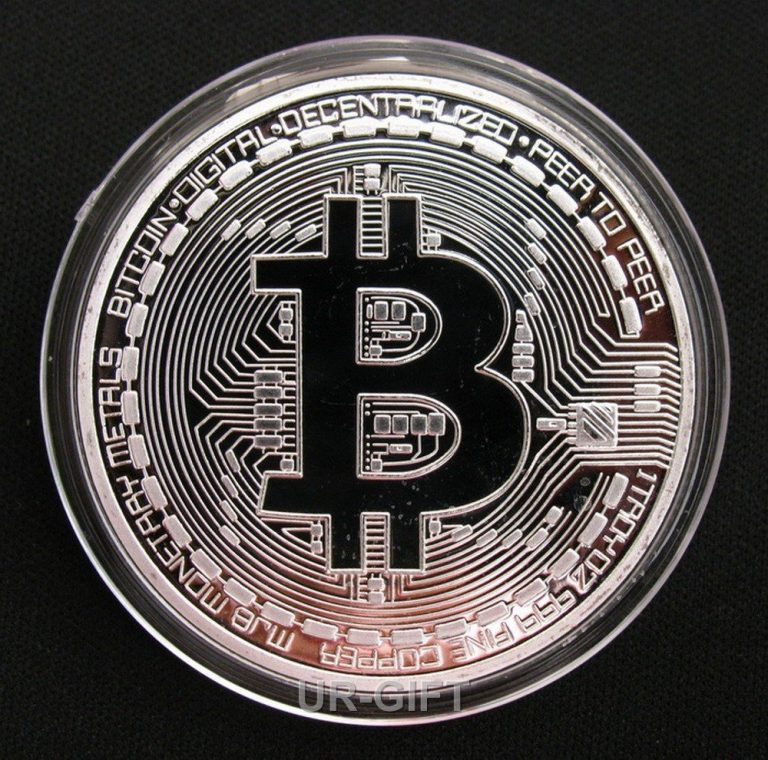
Bitcoin BR meaning dives deep into the exciting world of cryptocurrency, particularly within Brazil, where the blend of technology and culture creates a unique environment for digital currency.

As Bitcoin continues to gain traction globally, understanding its specific implications in Brazil, from regional terminology to economic impact, becomes crucial for enthusiasts and investors alike. The interplay of local culture and legal frameworks shapes how Bitcoin is perceived and utilized, making this exploration particularly relevant.

Understanding Bitcoin BR Meaning

Bitcoin BR refers to the specific context and usage of Bitcoin within Brazil. It signifies not only the cryptocurrency itself but also its cultural, economic, and regulatory implications in the country. Understanding Bitcoin BR is vital in a landscape where cryptocurrencies are rapidly gaining traction, offering unique opportunities and challenges to users, businesses, and regulators alike.The significance of Bitcoin BR extends beyond mere financial transactions.

It encompasses how Bitcoin is perceived, adopted, and integrated into various aspects of Brazilian society and economy. Regional variations in Bitcoin terminology can greatly influence how the cryptocurrency is understood and utilized. For instance, terms like “moeda digital” (digital currency) or “cripto” may carry different connotations depending on local dialects and communities, which can affect adoption rates and trust among potential users.

Regional Variations in Bitcoin Terminology

Different communities in Brazil may interpret Bitcoin and its terminology in diverse ways. This can lead to varying levels of understanding and acceptance of the cryptocurrency. Some examples include:

  • In major metropolitan areas such as São Paulo, Bitcoin is often viewed as a sophisticated investment vehicle, attracting tech-savvy individuals.
  • Conversely, in smaller towns where financial literacy is lower, Bitcoin might be seen as a speculative gamble with high risks.
  • Cultural differences also play a role; for instance, in communities with a strong agricultural background, Bitcoin may be perceived as a tool for evading traditional banking systems.

The Role of Bitcoin in Brazil

Brazil has witnessed a significant increase in the adoption rates of Bitcoin, driven by factors such as economic instability, inflation, and a growing interest in digital assets. The Brazilian populace has become increasingly aware of the potential benefits of using Bitcoin for savings and transactions, especially amid a turbulent economic climate.The legal framework surrounding cryptocurrency in Brazil is evolving, with the government actively working on regulations that affect Bitcoin usage.

The Central Bank of Brazil has issued guidelines, but there remain ambiguities regarding taxation and consumer protection. These regulations are crucial as they shape the landscape for Bitcoin adoption in the country.

Bitcoin Adoption Rates and Growth Factors

The adoption of Bitcoin in Brazil can be attributed to several factors:

  • The economic crisis and high inflation rates have led many Brazilians to seek alternative means of preserving value.
  • Increased access to the internet and mobile technology has made it easier for individuals to trade and invest in Bitcoin.
  • The rise of local exchanges has facilitated easier entry into the Bitcoin market for new users.

Legal Framework Surrounding Cryptocurrency

Brazil’s approach to cryptocurrency regulation is still in its formative stages. Key points include:

  • In 2019, a comprehensive law was proposed to regulate cryptocurrencies, aiming for clearer guidelines and protections for users.
  • Tax obligations are set for Bitcoin transactions, adding another layer of complexity for users.
  • Illegal activities associated with cryptocurrency have prompted law enforcement to act, influencing public perception of Bitcoin.

Comparison with Other South American Countries

When comparing Bitcoin adoption in Brazil to other South American countries, several trends emerge:

  • Countries like Argentina and Venezuela have higher adoption rates due to more severe economic crises.
  • Brazil’s regulatory approach is generally more structured compared to countries with little to no regulation.
  • The Brazilian market is more developed in terms of local exchanges and cryptocurrency services than many of its neighbors.

Cultural Perspectives on Bitcoin in Brazil

Cultural attitudes towards Bitcoin deeply influence its acceptance and integration into Brazilian life. While some view it as a revolutionary financial tool, others remain skeptical, fearing volatility and fraud. Understanding these cultural nuances is essential for promoting wider adoption.

Case Studies of Brazilian Entrepreneurs

Many Brazilian entrepreneurs are leveraging Bitcoin to innovate and expand their businesses. Notable examples include:

  • A local coffee shop accepting Bitcoin payments, attracting a tech-savvy clientele.
  • A startup using Bitcoin to facilitate remittances for Brazilians living abroad, providing a cost-effective alternative to traditional money transfer services.
  • Blockchain initiatives focused on agricultural supply chains, enhancing transparency and efficiency.

Community Initiatives for Education

Several grassroots initiatives are promoting Bitcoin education in Brazil, aiming to demystify cryptocurrency for the general public. These include:

  • Workshops and meetups organized by local Bitcoin communities.
  • Online resources and forums dedicated to discussing Bitcoin and its applications.
  • Collaborations with educational institutions to integrate cryptocurrency topics into the curriculum.

Bitcoin BR Economic Implications

The adoption of Bitcoin carries several economic benefits for Brazilian businesses. It can reduce transaction fees, facilitate international trade, and provide access to a global market for local goods and services.

Bitcoin Transactions within Brazil’s Economy

Statistics indicate a growing volume of Bitcoin transactions in Brazil, reflecting its increasing acceptance as a legitimate form of currency. Key points include:

  • The number of registered Bitcoin wallets in Brazil has seen exponential growth over the last few years.
  • Bitcoin transactions have been estimated to contribute a significant portion to the country’s e-commerce growth.
  • Local businesses report increased sales by accepting Bitcoin, attracting new customer segments.

Challenges in Accessing Bitcoin Markets

Despite its benefits, Brazilian users face several challenges in accessing Bitcoin markets:

  • Regulatory uncertainty can deter potential users from entering the market.
  • Volatility in Bitcoin prices poses risks for individuals and businesses alike.
  • Limited access to banking services for some populations can hinder Bitcoin adoption.

Future Trends for Bitcoin in Brazil

Looking towards the future, several trends are likely to shape the landscape of Bitcoin in Brazil. The ongoing development of regulations will play a crucial role in determining how Bitcoin is utilized and perceived.

Upcoming Trends in Bitcoin Usage and Regulation

Predictions for the future include:

  • Increased regulatory clarity is expected to foster a safer environment for investors.
  • Adoption rates are likely to rise as more businesses recognize the value of accepting Bitcoin.
  • Innovations in payment technologies, such as Lightning Network, will streamline Bitcoin transactions.

Potential Technological Advancements

Several technological advancements could influence Bitcoin transactions in Brazil:

  • Improvements in blockchain technology may enhance transaction speeds and reduce fees.
  • Integration of Bitcoin with mobile payment platforms can increase accessibility.
  • Development of secure wallets and exchanges to bolster user confidence.

Roadmap for Future Bitcoin Initiatives

The future of Bitcoin in Brazil may follow a roadmap characterized by:

  • Continued collaboration between government and industry stakeholders to establish clear regulations.
  • Expansion of educational initiatives to promote understanding and use of Bitcoin.
  • Encouragement of innovation through support for startups focused on blockchain technology.

Closure

In conclusion, Bitcoin BR meaning encapsulates not just a term but a movement that reflects Brazil’s evolving stance towards digital currency. With growing adoption rates and a burgeoning community, the future of Bitcoin in Brazil promises to be both dynamic and transformative, influencing economic trends and cultural perceptions alike.

FAQ Overview

What does Bitcoin BR refer to in Brazil?

Bitcoin BR refers to the specific context and interpretation of Bitcoin within Brazil, considering local terminology and cultural aspects.

How is Bitcoin adopted in Brazil compared to other countries?

Brazil has seen significant Bitcoin adoption, influenced by its unique economic conditions and regulatory environment, often surpassing some neighboring countries.

What challenges do Brazilian users face with Bitcoin?

Challenges include regulatory hurdles, limited access to exchanges, and a lack of widespread understanding of cryptocurrency.

Are there any community initiatives for Bitcoin education in Brazil?

Yes, various community-driven initiatives exist to promote Bitcoin education and awareness, helping to foster a more informed user base.

What is the future outlook for Bitcoin in Brazil?

The future looks promising with potential technological advancements and regulatory improvements aimed at enhancing Bitcoin transactions and adoption rates.

crypto news xrp price prediction 2025 is creating quite a buzz in the financial world, as investors and analysts alike are keenly observing the potential trajectory of XRP in the coming years. This cryptocurrency, developed by Ripple, has garnered attention for its unique use cases and the evolving landscape of digital finance.

With a rich history and significant milestones, XRP’s journey through the crypto market is marked by both challenges and opportunities. Understanding the current market trends, expert opinions, and the factors influencing XRP’s price will provide valuable insights for anyone interested in its future.

Overview of XRP

XRP is a cryptocurrency that was created to facilitate fast and cost-effective cross-border transactions. Developed by Ripple Labs, XRP aims to provide a reliable and scalable solution for financial institutions looking to enhance their payment systems. Unlike many cryptocurrencies, which typically focus on decentralization and anonymity, XRP focuses on optimizing the banking sector’s efficiency. XRP was officially launched in 2012 as an integral part of Ripple’s payment protocol.

The development timeline of XRP includes significant milestones, such as the release of the Ripple Protocol Consensus Algorithm (RPCA) in 2015, which established XRP’s consensus mechanism. In 2017, XRP gained significant attention during the cryptocurrency boom, leading to a surge in its price and market capitalization. The launch of the On-Demand Liquidity (ODL) service in 2018, which leverages XRP for real-time cross-border payments, marked another crucial development in its history.

Current Market Trends

The cryptocurrency market is currently experiencing a wave of volatility, influenced by both macroeconomic factors and unique developments within the crypto ecosystem. Recent trends show a growing interest in cryptocurrencies as more retail and institutional investors enter the market. Several factors are driving the price changes in XRP, including increased adoption of the Ripple network among banks and financial institutions, as well as speculative trading patterns.

Market sentiment plays a significant role, with recent news such as regulatory updates and technological advancements influencing investor behavior. For example, positive sentiments around successful partnerships and integrations often lead to price rallies.

Price Prediction Methodologies

Various methodologies exist for predicting XRP prices, each offering different insights. Technical analysis is one of the most commonly used methods, involving the evaluation of price trends and patterns through charts. Fundamental analysis, on the other hand, focuses on the underlying factors that can affect the price, such as Ripple’s partnerships and technological advancements. Market sentiment analysis looks at the overall mood of the market, which can significantly influence price movements.Tools such as trading platforms and analytics websites provide critical data for these methodologies.

Historical price data is especially significant, as it allows analysts to identify trends and forecast future price movements based on previous performance.

Expert Opinions and Forecasts

Industry experts have varied opinions on XRP’s price predictions for 2025. Some analysts suggest that XRP could see substantial growth, potentially reaching price points between $5 and $10, driven by increased adoption and integration into financial systems. Other analysts, however, remain cautious, pointing out the volatility of the crypto market and possible regulatory hurdles that could impede growth. Comparing these predictions reveals a range of rationales; those optimistic about XRP’s future often cite the potential for mainstream adoption, while more skeptical views highlight competition from other cryptocurrencies and ongoing legal challenges faced by Ripple Labs.

Market Influencers and Regulatory Factors

Several market influencers could significantly impact XRP’s price by 2025. These include technological advancements within the Ripple network, increasing competition from other cryptocurrencies, and the broader economic environment. Regulatory developments are crucial for XRP’s future. The outcome of ongoing legal battles, particularly the lawsuit filed by the SEC against Ripple, will play a pivotal role in shaping market sentiment. Recent news regarding supportive regulatory frameworks in various countries can enhance investor confidence, potentially leading to price increases.

Future Developments and Innovations

Technological innovations within the Ripple ecosystem have the potential to impact XRP’s price significantly. Developments such as enhanced transaction speeds, lower fees, and additional partnerships can strengthen XRP’s market position. The ongoing evolution of blockchain technology also plays a crucial role. As Ripple continues to innovate and improve its network, the increased utility of XRP for cross-border transactions could enhance its adoption among businesses and individuals alike.

Predictions suggest that if Ripple successfully implements new features and strengthens its partnerships, XRP’s market relevance may grow substantially.

Community Sentiment and Adoption Rates

Community sentiment towards XRP has remained relatively positive, driven by its strong use cases in the financial sector. The current adoption rates of XRP are indicative of its growing utility, with many businesses recognizing the benefits of using XRP for international transactions. Partnerships with major financial institutions and payment providers can further bolster its utility. For instance, collaborations with banks that leverage XRP for liquidity solutions may significantly enhance its adoption rates and, consequently, its price.

Risk Factors and Challenges

XRP faces various risks and challenges as it approaches 2025. Potential regulatory setbacks could pose significant challenges, particularly if the legal environment becomes less favorable for cryptocurrencies. External factors such as economic downturns, technological failures, and increased competition from other cryptocurrencies may also impact XRP’s price. For example, if a new cryptocurrency emerges with superior features, it could divert interest away from XRP, posing a threat to its growth and market position.

Overall, while XRP exhibits considerable potential, it must navigate these risks effectively to realize its long-term growth objectives.

Closing Notes

In summary, the landscape surrounding crypto news xrp price prediction 2025 is dynamic and multifaceted, influenced by a variety of market trends, expert insights, and regulatory developments. As we look ahead, keeping a close eye on these factors will be essential for making informed decisions about XRP’s potential price movements and overall market position.

FAQ

What factors influence XRP’s price?

XRP’s price is influenced by market sentiment, trading volume, regulatory news, and advancements within the Ripple network.

Can XRP reach new highs by 2025?

While predictions vary, many analysts believe that if market conditions and adoption rates improve, XRP could potentially reach new price highs by 2025.

What are the risks associated with investing in XRP?

Risks include regulatory changes, market volatility, and competition from other cryptocurrencies that could impact XRP’s adoption and price.

How does market sentiment affect XRP?

Market sentiment can significantly impact XRP’s price, as positive news may drive prices up, while negative developments could lead to declines.

What role do partnerships play in XRP’s future?

Strategic partnerships can enhance XRP’s utility and adoption, which in turn may positively influence its price trajectory.